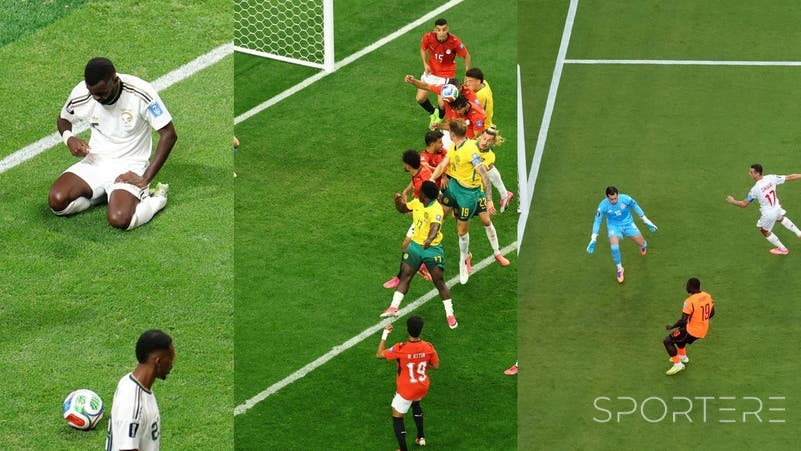
حصيلة العرب في كأس العالم 2026
انتهت المشاركة العربية في كأس العالم 2026 بعد خروج منتخب المغرب من الدور ربع النهائي، لتُسدل الستارة على ظهور تاريخي وغير مسبوق للكرة العربية في أكبر بطولة للمنتخبات.
وشهدت النسخة الموسعة من كأس العالم مشاركة 8 منتخبات عربية للمرة الأولى، في رقم قياسي عكس الحضور المتزايد للكرة العربية على الساحة العالمية.
لكن الحصيلة النهائية حملت مزيجًا من الإنجازات والإخفاقات والأرقام الغريبة.
وحققت المنتخبات العربية 4 انتصارات خلال البطولة، مقابل 15 هزيمة، بينما شهد المونديال تسجيل 9 أهداف عكسية بأقدام لاعبين عرب.
8 منتخبات عربية في مشاركة تاريخية
دخلت الكرة العربية كأس العالم 2026 بأكبر عدد من المنتخبات في تاريخ البطولة.
وشاركت في المونديال منتخبات:
- المغرب.
- مصر.
- السعودية.
- الجزائر.
- تونس.
- قطر.
- العراق.
- الأردن.
ومثلت هذه المشاركة الواسعة لحظة تاريخية للكرة العربية، خاصة مع وجود منتخبات من قارتي آسيا وإفريقيا.
كما خاض الأردن أول مشاركة له في نهائيات كأس العالم، ليضيف فصلًا جديدًا إلى تاريخ الكرة العربية في البطولة.
4 انتصارات فقط للمنتخبات العربية
رغم المشاركة القياسية، لم تنجح المنتخبات العربية في تحقيق عدد كبير من الانتصارات.
وبلغ إجمالي الانتصارات العربية 4 مباريات فقط طوال البطولة.
ويعكس هذا الرقم حجم الصعوبة التي واجهتها المنتخبات العربية أمام المنافسين من أوروبا وأميركا الجنوبية وبقية قارات العالم.
لكن بعض الانتصارات حملت أهمية كبيرة وساهمت في وصول ممثلين عرب إلى الأدوار الإقصائية.
15 هزيمة تكشف صعوبة المنافسة
في المقابل، تعرضت المنتخبات العربية لـ15 هزيمة خلال مشوارها في كأس العالم 2026.
ويعد الرقم مرتفعًا مقارنة بعدد الانتصارات، ويكشف الفجوة التي لا تزال موجودة بين العديد من المنتخبات العربية والقوى الكبرى في كرة القدم العالمية.
وتعرضت بعض الفرق لهزائم ثقيلة، بينما خسرت منتخبات أخرى مباريات متقاربة حُسمت بتفاصيل صغيرة.
كما دفع عدد من المنتخبات ثمن الأخطاء الدفاعية وقلة الخبرة في التعامل مع مباريات كأس العالم.
9 أهداف عكسية بأقدام عربية
كان الرقم الأكثر غرابة في المشاركة العربية هو تسجيل 9 أهداف عكسية بواسطة لاعبين من المنتخبات العربية.
وشهدت البطولة ارتفاعًا لافتًا في عدد الأهداف العكسية بصورة عامة، لكن اللاعبين العرب امتلكوا نصيبًا كبيرًا من هذه الظاهرة.
وتنوعت الأسباب بين محاولات إبعاد العرضيات والتدخلات الدفاعية والكرات التي غيرت اتجاهها قبل دخول الشباك.
وأصبحت الأهداف العكسية واحدة من أبرز القصص الإحصائية المرتبطة بالمشاركة العربية في مونديال 2026.
لماذا ارتفعت الأهداف العكسية؟
لا يمكن تفسير العدد الكبير من الأهداف العكسية بسبب واحد فقط.
فالمنتخبات العربية واجهت منافسين يمتلكون سرعة كبيرة في بناء الهجمات وإرسال الكرات العرضية داخل منطقة الجزاء.
كما أدى الضغط المستمر على خطوط الدفاع إلى زيادة احتمالات الأخطاء.
وفي بعض الحالات، كان المدافع مضطرًا للتدخل لمنع مهاجم من الوصول إلى الكرة، لكنها انتهت داخل مرمى فريقه.
وشهدت كأس العالم 2026 بصورة عامة ارتفاعًا غير معتاد في الأهداف العكسية، ما جعل هذه الظاهرة واحدة من أبرز أرقام البطولة.
المغرب أفضل المنتخبات العربية
كان منتخب المغرب صاحب أفضل مشوار عربي في كأس العالم 2026.
وواصل أسود الأطلس تأكيد مكانتهم بين المنتخبات الكبرى، بعدما تقدموا في البطولة حتى الدور ربع النهائي.
وأصبح المغرب آخر منتخب عربي وإفريقي يغادر المونديال بعد الخسارة أمام فرنسا.
ورغم عدم تكرار الوصول إلى نصف النهائي كما حدث في كأس العالم 2022، فإن الوصول إلى دور الثمانية أكد استمرار المغرب في المنافسة على أعلى مستوى.
فرنسا تنهي رحلة أسود الأطلس
انتهت المشاركة العربية رسميًا بخروج المغرب أمام فرنسا من الدور ربع النهائي.
وكان أسود الأطلس آخر ممثل للعرب في البطولة بعد خروج بقية المنتخبات.
وحاول المنتخب المغربي مواصلة رحلته، لكنه اصطدم بأحد أقوى المرشحين للفوز باللقب.
وبخروج المغرب، أُغلق ملف المشاركة العربية في كأس العالم 2026، وبدأت مرحلة تقييم الحصيلة الكاملة للمنتخبات الثمانية.
مصر تحقق أفضل مشاركة في تاريخها
كان منتخب مصر من أبرز القصص العربية في البطولة.
ونجح الفراعنة في تجاوز دور المجموعات والوصول إلى دور الـ16 للمرة الأولى في تاريخ مشاركاتهم بكأس العالم.
وحقق المنتخب المصري انتصارين في دور المجموعات قبل أن يواجه الأرجنتين في مباراة مثيرة بالأدوار الإقصائية.
وانتهت رحلة مصر بالخسارة 3-2 أمام حامل اللقب، لكن الوصول إلى دور الـ16 مثّل إنجازًا تاريخيًا للمنتخب.
مشاركة عربية بين النجاح والإخفاق
لا يمكن تقييم مشاركة 8 منتخبات عربية بالاعتماد على رقم واحد.
فمن ناحية، تمثل المشاركة القياسية إنجازًا مهمًا يعكس تطور الحضور العربي في كأس العالم.
كما نجحت بعض المنتخبات في الوصول إلى الأدوار الإقصائية وتحقيق نتائج تاريخية.
لكن من ناحية أخرى، تكشف 15 هزيمة عن مشكلات واضحة في القدرة على المنافسة المستمرة أمام أقوى منتخبات العالم.
وتشير الأرقام أيضًا إلى الحاجة لتطوير الأداء الدفاعي والاستعداد للمباريات الكبرى.
ماذا تعلمت المنتخبات العربية من مونديال 2026؟
أثبتت البطولة أن التأهل إلى كأس العالم لم يعد الهدف النهائي.
فمع توسيع البطولة إلى 48 منتخبًا، أصبحت الفرصة أكبر للوصول إلى النهائيات.
لكن التحدي الحقيقي يتمثل في القدرة على المنافسة بعد الوصول.
وتحتاج المنتخبات العربية إلى استثمار مشاركاتها المتزايدة في تطوير اللاعبين ورفع جودة المسابقات المحلية وتحسين الإعداد الفني والبدني.
الحضور العددي لا يكفي
كان وجود 8 منتخبات عربية إنجازًا غير مسبوق.
لكن نتائج البطولة أكدت أن الحضور العددي وحده لا يكفي للحكم على نجاح المشاركة.
فالهدف في المستقبل يجب أن يكون زيادة عدد المنتخبات القادرة على تجاوز دور المجموعات والوصول إلى الأدوار النهائية.
وأثبت المغرب خلال نسختي 2022 و2026 أن المنتخب العربي يستطيع المنافسة في المراحل المتقدمة عندما يمتلك الجودة والاستقرار والخبرة.
أرقام ستبقى في تاريخ الكرة العربية
ستنتهي كأس العالم 2026، لكن عددًا من أرقام المشاركة العربية سيظل حاضرًا في الذاكرة.
ثمانية منتخبات شاركت للمرة الأولى في نسخة واحدة.
وحققت المنتخبات العربية 4 انتصارات، مقابل 15 هزيمة.
كما سجل لاعبون عرب 9 أهداف عكسية، في واحد من أغرب أرقام البطولة.
وبين الإنجازات والخيبات، قدم مونديال 2026 صورة واضحة عن موقع الكرة العربية حاليًا.
ما بعد كأس العالم 2026
سيبدأ كل منتخب عربي في مراجعة تجربته بعد نهاية البطولة.
فبعض المنتخبات ستنظر إلى مشاركتها باعتبارها خطوة أولى في مشروع طويل المدى، بينما ستحتاج منتخبات أخرى إلى تغييرات أكبر.
أما المغرب، فقد أكد قدرته على الاستمرار بين أفضل منتخبات العالم.
وأظهرت مصر قدرتها على تحقيق أفضل مشاركة في تاريخها.
وبالنسبة لبقية المنتخبات، ستكون المهمة هي تحويل تجربة كأس العالم 2026 إلى نقطة انطلاق بدلًا من اعتبار التأهل وحده نهاية النجاح.
لقد كانت المشاركة العربية الأكبر في تاريخ كأس العالم، لكنها تركت سؤالًا مهمًا للمستقبل: هل يتحول الرقم القياسي في عدد المشاركين إلى حضور أقوى ونتائج أفضل في النسخ المقبلة؟